There’s a moment most parents have—but don’t always say out loud.
It usually happens after a hard day. A meltdown that came out of nowhere. Another ignored request. Tears, yelling, shutting down… maybe all in the same hour.
And somewhere in the quiet after, the question creeps in: “Is this normal… or is something wrong?”
If you’ve been there, you’re not alone. And more importantly—you’re not a bad parent for wondering.
You’re a paying-attention parent. A loving parent. The kind of parent who wants to get it right.
Let’s talk about it.
What’s Actually “Normal” for Kids?
Here’s the honest answer: A lot of behavior that feels overwhelming… is actually part of normal development.
Kids:
Have big emotions and small bodies to hold them
Don’t yet have the words for what they feel
Get overwhelmed easily (even if it doesn’t look like it)
Struggle with transitions, limits, and disappointment
So yes—tantrums, defiance, clinginess, even emotional shutdowns can all fall within the range of “normal.”
But here’s the part that matters most:
“Normal” doesn’t always mean “no support needed.”
When It Might Be More Than a Phase
Sometimes behavior is more than just a passing stage. It’s communication.
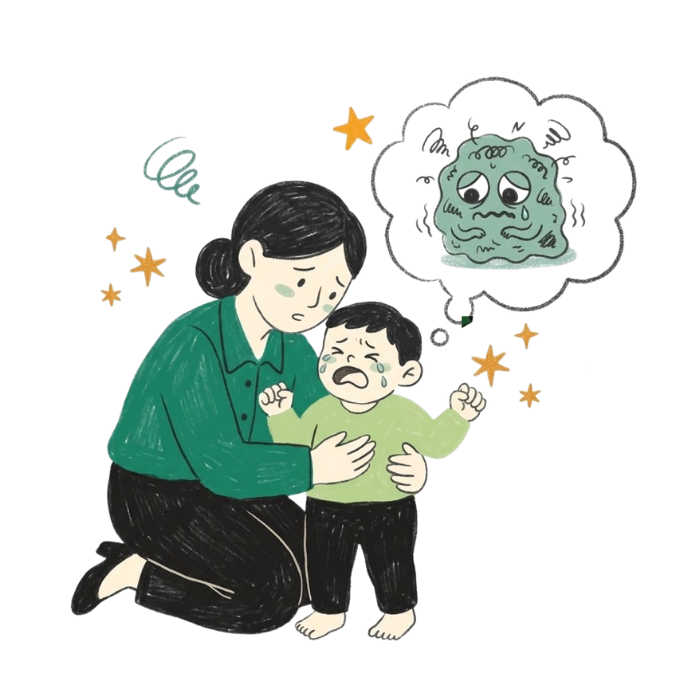
Your child might not be able to say:
“I feel anxious all the time”
“Something scared me and I don’t understand it”
“I don’t feel safe in my body right now”
So instead, you might see:
Frequent meltdowns or intense reactions
Aggression (hitting, biting, yelling)
Withdrawal or shutting down
Trouble sleeping or new fears
Big changes after a life event (move, loss, school stress)
If you’re noticing patterns that feel persistent, intense, or out of character, it’s worth paying attention.
Not because something is “wrong” with your child…but because something inside them might need support.
Behavior Is a Window, Not the Problem
It’s so easy to focus on what we can see:
“They’re not listening.”
“They’re being disrespectful.”
“They’re overreacting.”
But behavior is just the surface. Underneath it is often:
Anxiety
Overwhelm
Unprocessed experiences
A nervous system that doesn’t feel settled
Your child isn’t a problem to fix. They’re a person to be understood.
When we shift from “How do I stop this behavior?” to “What might this be telling me?”—everything changes.
For the Parents Carrying This Spiritually, Too
If you’re a parent of faith, there can be another layer to all of this.
Questions like:
“Am I missing something God is trying to show me?”
“Did I do something wrong?”
“Should I just be praying more about this?”
Let me gently say this: Your child struggling is not a reflection of your failure.
And seeking support isn’t a lack of faith—it can be an act of wisdom.
God doesn’t ask you to white-knuckle your way through parenting alone. Support, guidance, and healing can be part of how He cares for both you and your child.

So… When Should You Reach Out for Help?
Here’s a simple way to think about it:
You don’t need to wait until things are “severe.”
It might be time to reach out if:
You feel overwhelmed more often than not
Your child’s behavior is impacting daily life (home, school, relationships)
You’ve tried different approaches and nothing seems to stick
Something in your gut keeps saying, “I think we might need support”
You’re allowed to trust that nudge.
What Support Can Look Like (Especially for Younger Kids)
For many children, especially ages 3–12, healing doesn’t happen through long conversations.
It happens through play. Play is how kids:
Process big emotions
Make sense of their world
Express what they don’t have words for
That’s why I offer neurorelational, child-centered play therapy—a space where your child can safely work through what’s underneath the behavior, while you as a parent begin to understand them in a deeper, more connected way.
Because when we support what’s happening beneath the surface…the behavior often begins to shift naturally.
A Small Shift You Can Try This Week
The next time your child has a big reaction, try this:
Instead of correcting right away, pause and ask yourself: “What might be going on underneath this?”
You don’t have to get it perfect. Just getting curious instead of reactive is a powerful first step.
You Don’t Have to Figure This Out Alone

If any part of this resonated—even a little—you don’t have to keep second-guessing yourself.
I offer in-person play therapy for children (ages 3+) and support for parents who want to better understand and connect with their kids in the middle of big emotions and challenging behaviors.
This isn’t about labeling your child. It’s about helping them feel seen, safe, and supported—so real healing can begin.
If you’re wondering whether this might be a good fit, I’d love to connect.
👉 Click here to schedule your free consultation
No pressure. Just a conversation.