What Is Play Therapy? Understanding Your Child’s Language for Healing & Change
By the time many parents find their way here, they’ve already tried a lot.
They’ve talked it through.
They’ve repeated themselves.
They’ve set consequences.
They’ve Googled things late at night like “why is my child not listening” or “is this normal behavior in kids”.
And still… something isn’t shifting. Their child is still melting down at transitions. Still shutting down when emotions get big. Still getting “stuck” on things that feel small—but turn into big battles. And that’s usually when the question quietly changes from: “What do I do differently?” to “Do we need more support?”
If that’s where you are, you’re not overreacting. You’re noticing something important.
When Talking Stops Working
One of the biggest misunderstandings about kids is this:
“If I just explain it better, they’ll understand” or “If they could just talk about it, they’d feel better.”
And while talking is incredibly important for older kids and adults. Talking alone is not always how children heal.
Especially when:
Emotions are big
Behavior feels repetitive or intense
Transitions become daily battles
Shutdowns or meltdowns happen often
Because in those moments, your child isn’t resisting your words. They’re overwhelmed by what’s underneath them.
So What Is Play Therapy?
At its core, play therapy is simple: Play is the child’s language.
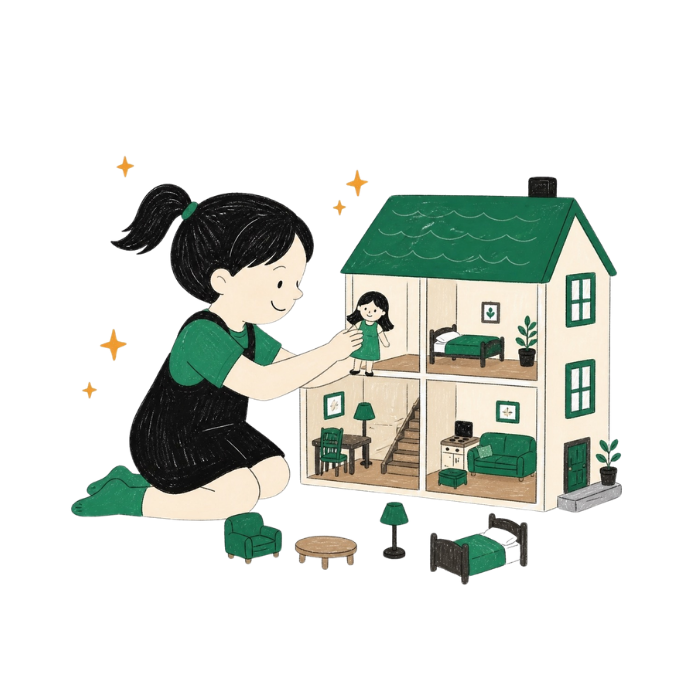
Just like adults use words to express thoughts and feelings, children use:
Play
Movement
Imagery
Storytelling
Creativity
This is how they communicate what they don’t yet have the words for. So instead of asking a child to tell us what’s wrong…
We create a space where they can show us in the way their brain already understands.
A Simple Way to Understand the Brain Behind It
Let’s keep this really grounded. When a child experiences stress, overwhelm, or big emotions, their brain shifts into protection mode.
In that state:
Thinking becomes harder
Words become harder to access
Logic takes a back seat to emotion
This is why you might see:
“I don’t know!”
Silence or shutdown
Big reactions that seem out of proportion
Difficulty transitioning between activities
It’s not defiance. It’s a nervous system doing its best to cope.
What Play Therapy Actually Does
In play therapy, we’re not just “playing games.”
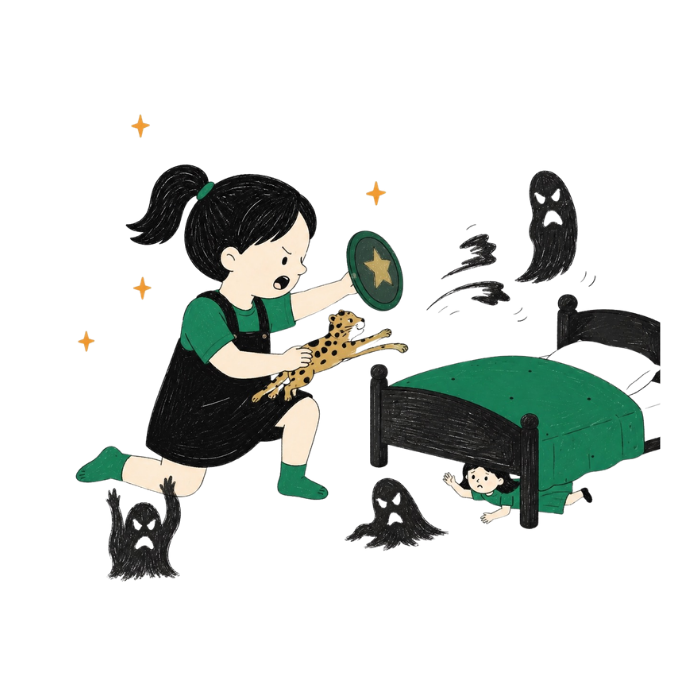
We’re helping a child:
Feel safe enough to express what’s underneath their behavior
Process emotions they don’t yet have words for
Build regulation skills from the inside out
Experience connection in a consistent, predictable relationship
Over time, something powerful happens: What used to come out as behavior starts to become understandable feeling.And when feelings become understandable, they become more manageable.
A Neurorelational Lens
You may hear the word “neurorelational” used in my work. Let me translate that simply: It just means this: Healing happens in safe relationships. A child’s brain develops through connection—not pressure.
So when a child is:
Seen
Accepted
Emotionally safe
Gently guided through expression
Their nervous system begins to learn: “I don’t have to go into fight, flight, or shutdown to be heard.”
That’s where real change begins. Not in forcing behavior, but in building safety.
What This Looks Like for Real Kids
Let’s go back to what many parents are experiencing from the previous posts in this series.
A child who:
Melts down when TV time ends
Refuses to transition to dinner
Gets rigid about clothing in the morning
Or shuts down when things don’t go their way
On the surface, it can feel like:
“They’re not listening.”
“They’re being difficult.”
“We’ve tried everything.”
But underneath, we often find:
A nervous system that struggles with transitions
A need for control in a world that feels unpredictable
Unprocessed stress or big feelings that haven’t found a safe outlet
Play therapy meets them there. Not to correct the behavior first, but to understand what’s underneath it.
Where Faith Fits Into This
For many Christian parents, there can be an added layer of pressure: “Shouldn’t prayer be enough?” “Am I failing spiritually if my child is struggling like this?” I want to gently reframe that. Support and faith are not in opposition. Sometimes, part of how God cares for your child is through safe people, safe spaces, and supportive relationships that help them heal.
There is no shame in needing support.
And there is no spiritual failure in wanting to understand your child more deeply.
What This Means for You as a Parent

If you’ve read the last few posts in this series, you might be noticing a theme:
Behavior is communication
Big emotions are signals, not problems
Your child’s nervous system is still learning regulation
Connection often comes before cooperation
And now this: Healing for kids often begins in play, not pressure. That doesn’t mean you’re doing anything wrong. It means there’s another layer of support available.
A Gentle Invitation
If this is all starting to make more sense or if something in you is quietly thinking, “I wonder if this is what my child needs…”
You don’t have to decide anything today. But you also don’t have to stay in the guessing.
I offer in-person play therapy for children (ages 3+) who are struggling with big emotions, behavioral challenges, anxiety, or difficulty with transitions—and for parents who are trying their best to understand what’s really going on underneath it all.
This work is not about labeling your child. It’s about helping them feel: safe, seen, and supported enough to grow. And helping you feel less alone in the process. If you’re curious, I’d be honored to talk with you.
👉 Click here to schedule your free consultation
No pressure. Just possibility.